 1
1 2
2 3
3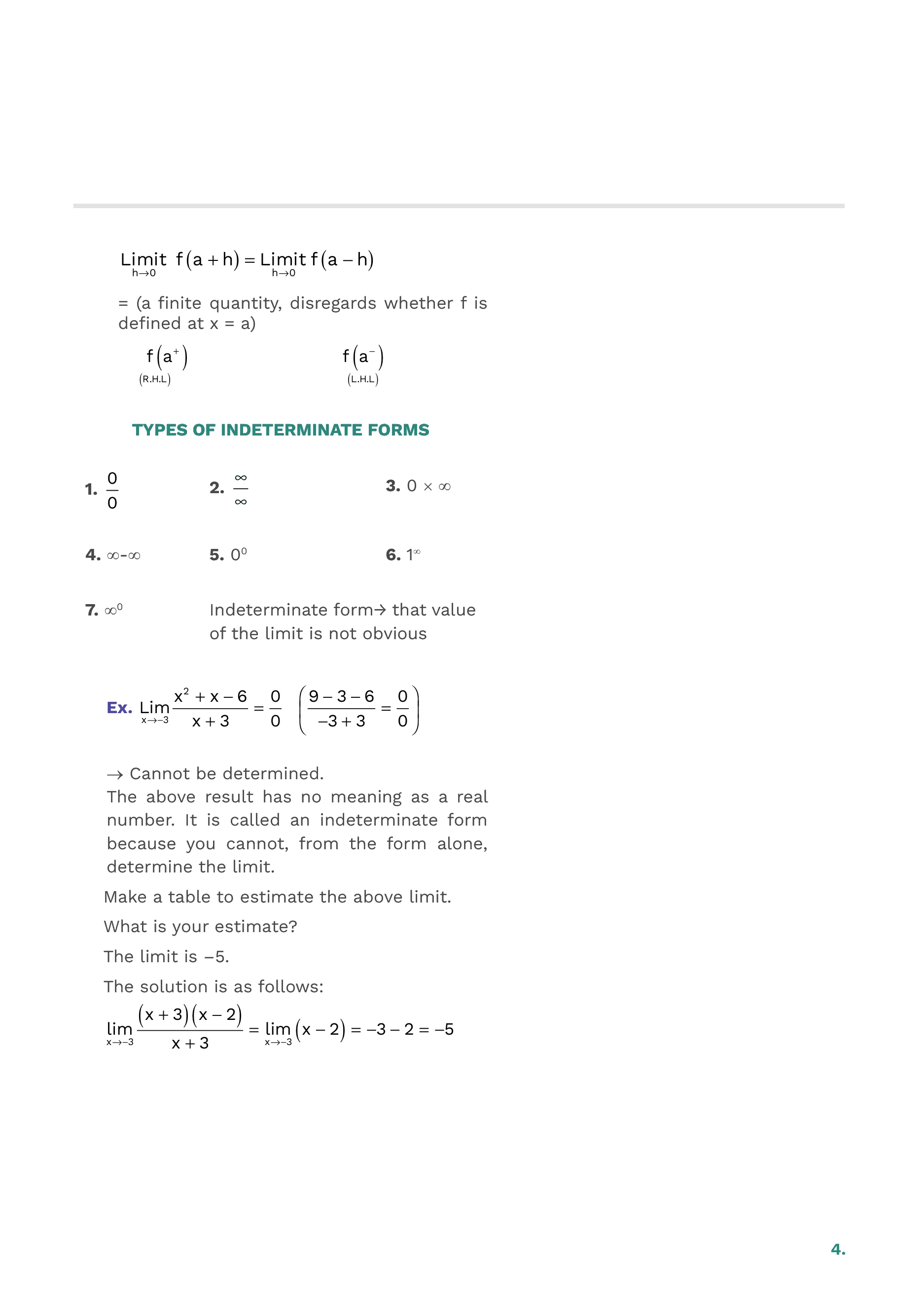 4
4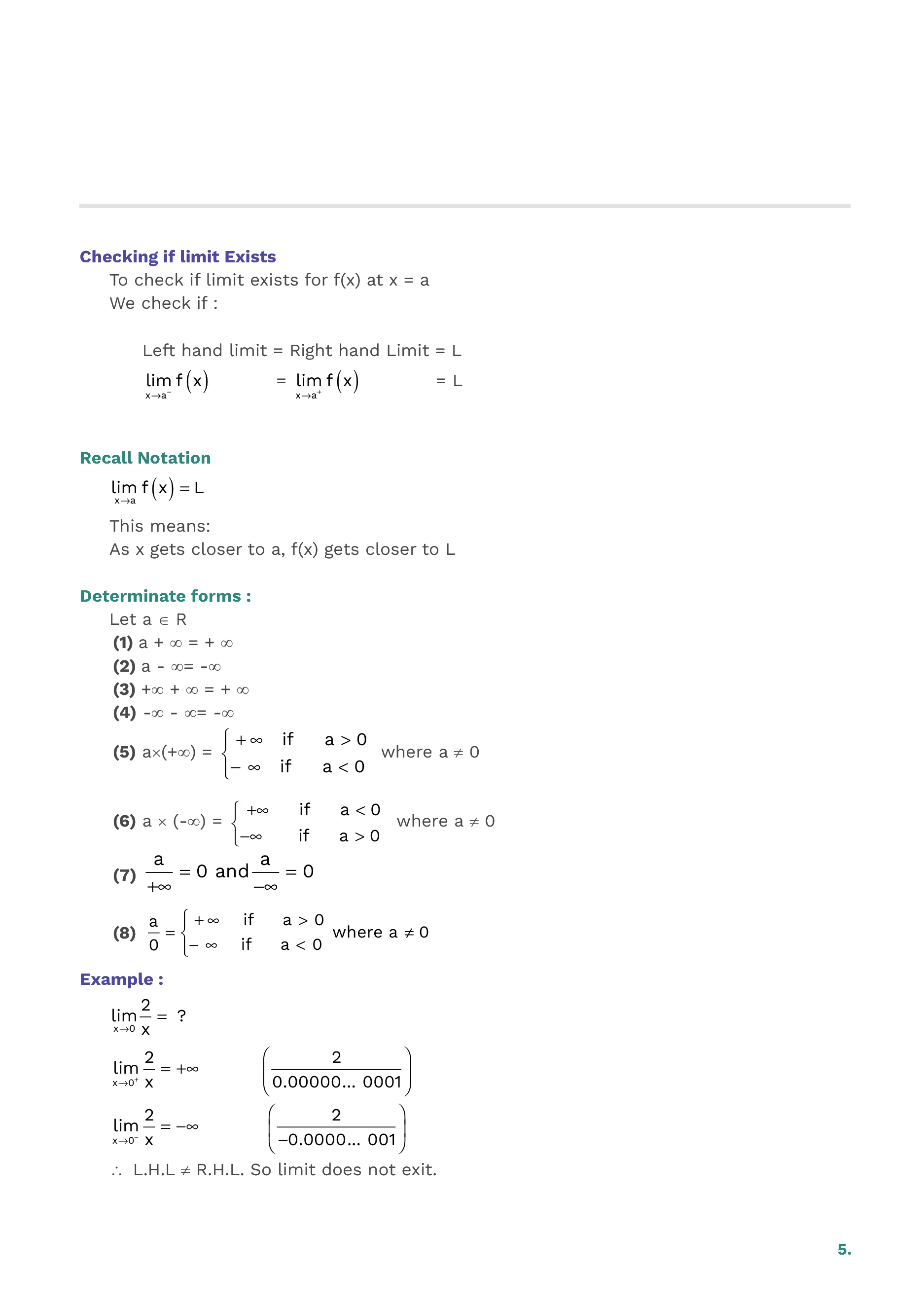 5
5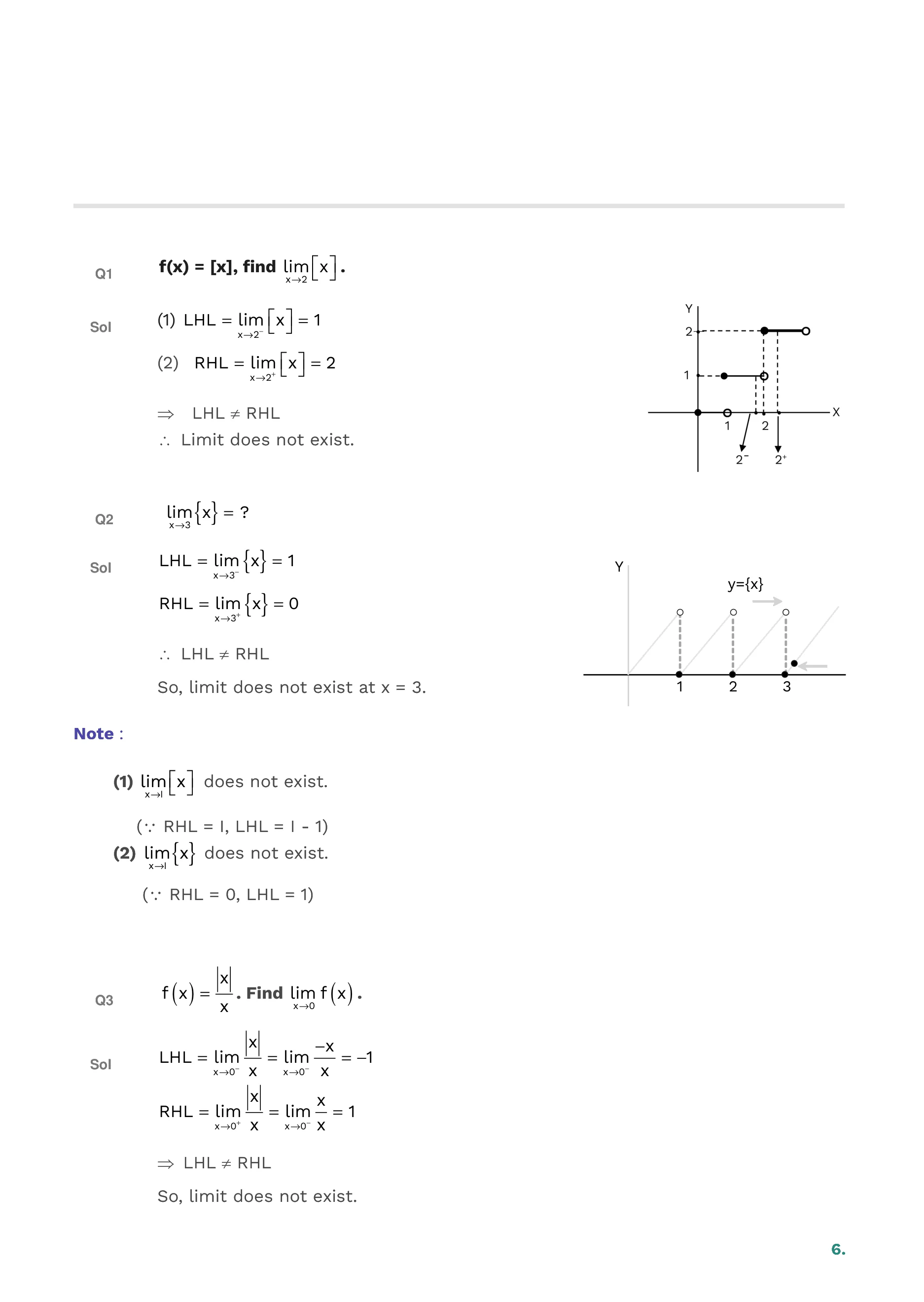 6
6Solve it on paper, then
Solve it on paper, then
Solve it on paper, then
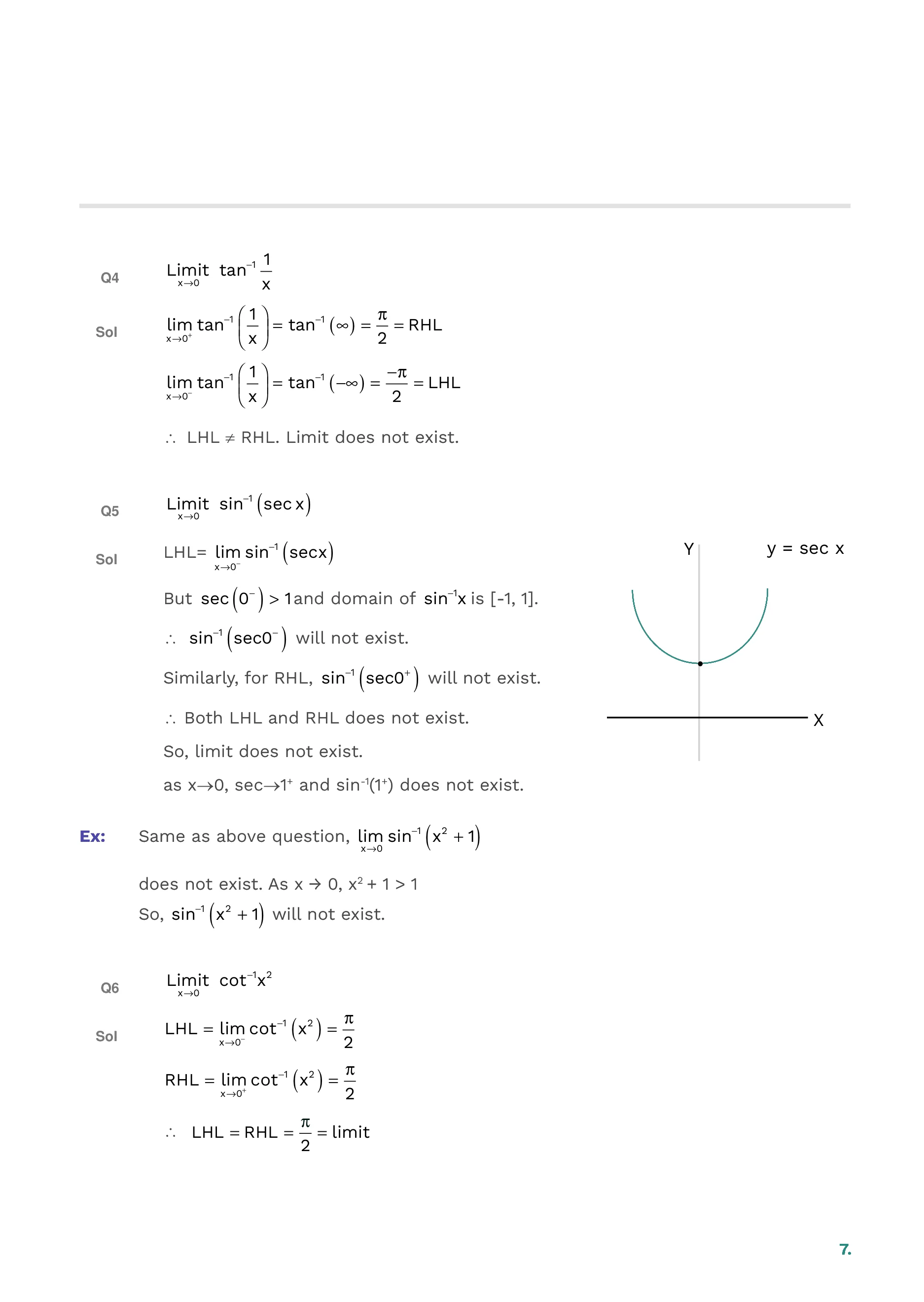 7
7Solve it on paper, then
Solve it on paper, then
Solve it on paper, then
 8
8Solve it on paper, then
Solve it on paper, then
Solve it on paper, then
 9
9Solve it on paper, then
Solve it on paper, then
Solve it on paper, then
 10
10Solution continues
Solve it on paper, then
Solve it on paper, then
 11
11Solve it on paper, then
 12
12Solve it on paper, then
Solve it on paper, then
 13
13Solve it on paper, then
Solve it on paper, then
Solve it on paper, then
 14
14Solve it on paper, then
Solve it on paper, then
Solve it on paper, then
 15
15Solve it on paper, then
Solve it on paper, then
Solve it on paper, then
 16
16Solution continues
Solve it on paper, then
Solve it on paper, then
Solve it on paper, then
 17
17Solve it on paper, then
Solve it on paper, then
Solve it on paper, then
Solve it on paper, then
 18
18Solve it on paper, then
 19
19Solve it on paper, then
Solve it on paper, then
Solve it on paper, then
 20
20Solve it on paper, then
Solve it on paper, then
 21
21Solution continues
Solve it on paper, then
Solve it on paper, then
 22
22Solve it on paper, then
Solve it on paper, then
 23
23Solution continues
Solve it on paper, then
After the notes
Formula sheet
23 results from this chapter, grouped the way the notes teach them.
Existence of a limit
- Left hand limit at
- Right hand limit at
- When does exist?
- L.H.L. R.H.L. a finite value — whether or not is defined
- Deleted neighbourhood of
- , a small positive number
- One side of outside the domain
- The limit is the limit from the other side, e.g.
Indeterminate & determinate forms
- The 7 indeterminate forms
- and
- and
- if · if
- if · if — check both sides of
Standard results
- (for every rational )
- expands to
- (rationalise the numerator)
- — zero times a bounded quantity
Limits at infinity (polynomial ÷ polynomial)
- Method
- Divide numerator and denominator by the highest power of —
- Degree of numerator degree of denominator
- Ratio of the leading coefficients
- Degree of numerator degree of denominator
- Degree of numerator degree of denominator
- — the limit does not exist
- as
- — keep the sign when taking out of a root
Last look
Quick revision
The checks to run before you sit a question on functions.
- 1Always substitute first; only an indeterminate form needs a method.
- 2: factorise and cancel the factor that causes the zero, or rationalise when there is a root.
- 3Roots in both numerator and denominator → rationalise both (double rationalisation).
- 4 with roots → multiply and divide by the conjugate to get .
- 5For of a polynomial ratio, only the highest-degree terms matter.
- 6If the denominator and the limit is finite, the numerator must also — use it to find unknown constants.
- 7Greatest integer, , , and near : check L.H.L. and R.H.L. separately.
- 8At a point where from the two sides (e.g. at ), the limit does not exist.
- 9A substitution such as or can turn an awkward limit into a standard one.
- 10L'Hospital's rule () applies only to and .